
Why Constant Chatter is Causing Mental Health Issues
About mental health and peace
Team H&H stb
1/22/20262 min read

Why Constant Chatter is Causing Mental Health Issues
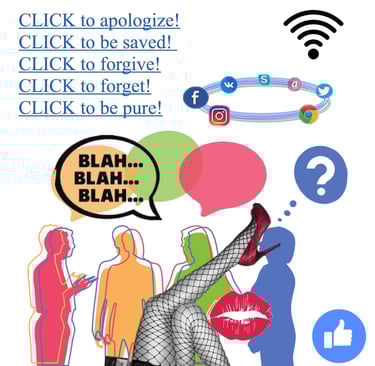
In today’s hyper-connected world, silence has become a rarity. From social media notifications and group chats to the constant background hum of news updates and office chatter, our minds are rarely given the chance to rest. While staying connected has its benefits, constant chatter—both external and internal—can take a serious toll on mental health.
The Noise Epidemic
The human brain evolved to handle information, but it thrives best in periods of focus and calm. When bombarded with continuous streams of conversation, opinions, and alerts, the mind struggles to process everything. Psychologists often refer to this as “cognitive overload.” Just like an overworked computer slows down and crashes, our brains can experience mental fatigue, stress, and reduced cognitive function.
External Chatter
From open offices to WhatsApp groups and news cycles, external chatter is unavoidable. Research indicates that constant exposure to noise and social input increases stress hormones like cortisol, leading to anxiety, irritability, and difficulty concentrating. In fact, even background chatter in cafes or workplaces can reduce productivity by up to 66%, according to some studies.
Internal Chatter
Equally damaging is the internal dialogue that never stops—the repetitive thoughts, worries, and self-criticism many of us experience. Psychologists call this “rumination.” When combined with external noise, internal chatter can create a feedback loop: external stimuli trigger anxious thoughts, which in turn make it harder to filter unnecessary inputs. Over time, this can contribute to depression, chronic anxiety, and burnout.
The Link Between Chatter and Mental Health
1. Reduced Attention Span: Constant chatter splits focus, making it difficult to concentrate on meaningful tasks.
2. Sleep Disruption: Mental chatter often persists even at bedtime, leading to insomnia and poor sleep quality.
3. Heightened Anxiety: Both internal and external chatter can fuel a sense of urgency or danger, even when none exists.
4. Emotional Exhaustion: The mind becomes drained from processing endless information, which reduces emotional resilience.
As the famous psychologist William James once said, “The greatest weapon against stress is our ability to choose one thought over another.” Constant chatter robs us of that choice, leaving our mental well-being vulnerable.
How to Combat the Chatter
Digital Detox: Allocate specific times to disconnect from devices and social media.
Mindfulness & Meditation: Practices like meditation, yoga, or deep-breathing exercises can quiet internal dialogue.
Nature & Solitude: Spending time in quiet, natural environments helps reset the brain and reduce cortisol levels.
Intentional Listening: Instead of multitasking with multiple conversations or media, focus on one interaction at a time.
Let's Conclude
Chatter is not inherently bad—it is part of human connection and social life. But when left unchecked, the constant noise around and within us becomes a silent trigger for mental health issues. Learning to create spaces of calm, focus, and reflection is no longer a luxury; it is essential for protecting our minds.
In a world that glorifies busyness and noise, embracing silence might just be the most radical—and healing—act we can take for our mental health.
Take care,
Team H&H stb


