
Beauty Standards:The Part We Pretend Not to See
A lot of what we call “beauty standards” is just everyday cruelty that’s been normalized.
Team H&H stb
4/22/20263 min read
Beauty Standards: The Part We Pretend Not to See
Let’s drop the polite version.
A lot of what we call “beauty standards” is just everyday cruelty that’s been normalized. It shows up as jokes, comments, “preferences,” and casual opinions—but the effect is the same: people get reduced to how they look, and then ranked.
You hear it in small moments. A laugh when someone walks by. A comment about weight at a family dinner. A “she used to look better” about a woman who simply got older. People say these things like it’s harmless. It’s not. It chips away at people quietly.
And here’s the uncomfortable part—many of the people doing this aren’t confident. They’re anxious, comparing, scanning the room for where they stand. Judging others becomes a quick way to feel higher for a second.
Then there’s the consumption side.
A lot of men have learned to look at women the way they look at products. Swipe, compare, zoom in, reject. “Too thin, too big, too dark, too old.” It sounds harsh when you say it out loud, but that’s how it plays out. And because so much of what they see is filtered, edited, and staged, their idea of “normal” drifts further from reality. Real people start to look “less,” not because they are—but because the reference point is fake.
But it doesn’t end there.
Many women, living inside the same system, start shaping themselves to fit it. To get attention. It’s gradual. You learn which angles get attention, which versions of you get approved, which parts to hide. You notice what gets likes, what gets comments, what gets ignored. And slowly, you begin to present a version of yourself that’s easier to accept.
It can look like confidence from the outside. Sometimes it is. But sometimes it’s just adaptation—learning how to be seen in a system that rewards appearance above everything else.
At some point, it crosses a line.
Expression turns into performance.
Identity turns into branding.
A person turns into something that can be compared, consumed, and replaced.
And the system keeps going because everyone is playing a role in it.
People who judge.
People who perform.
People who watch and validate.
No one feels fully satisfied, but no one steps out either.
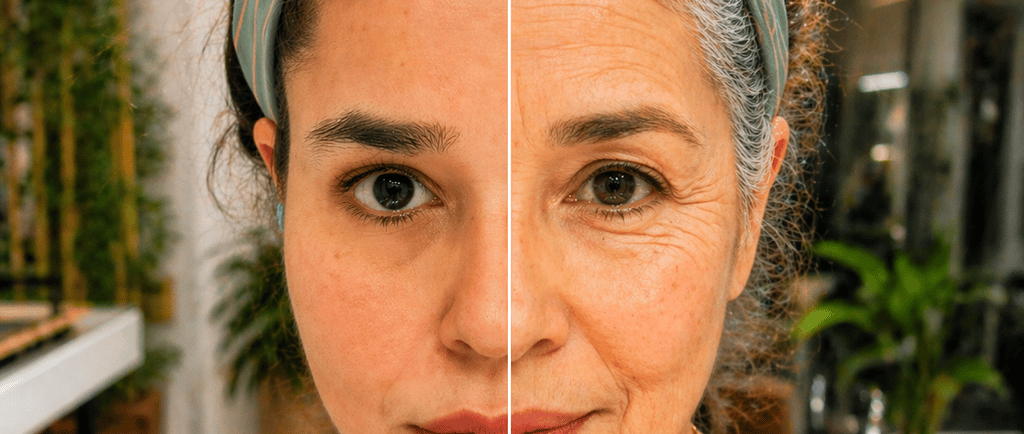
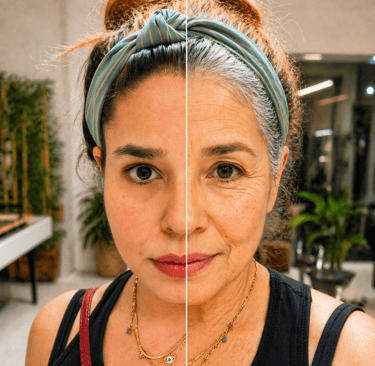
Meanwhile, real life keeps happening. Bodies change. Faces age. Stress shows. Health fluctuates. None of this fits neatly into the standards we keep pushing, so people hide it, edit it, or feel ashamed of it.
That’s the darker side—when normal human changes start feeling like failures.
And the ugliest part isn’t what we usually point at.
It’s not stretch marks.
It’s not acne.
It’s not wrinkles.
It’s the comfort people have in humiliating others.
It’s the habit of scanning a person and reducing them to a few features.
It’s treating someone’s body like it’s open for public review.
No one says it like that, but that’s what it is.
And the irony is simple: the standards don’t even protect the people who defend them. Time doesn’t stop. Trends don’t stay. The same rules that get used on others eventually turn back on the people using them.
So maybe the real question isn’t:
“How do I meet the standard?”
It’s:
“Why am I participating in something that quietly dehumanizes people—including me?”
Because real beauty doesn’t need a system to exist.
It doesn’t need comparison to feel valid.
And it definitely doesn’t need anyone else to feel smaller.
It just shows up—in how someone lives, how they carry themselves, and how they treat the people around them.
Everything else is noise.
Take care,
Team H&H stb


